
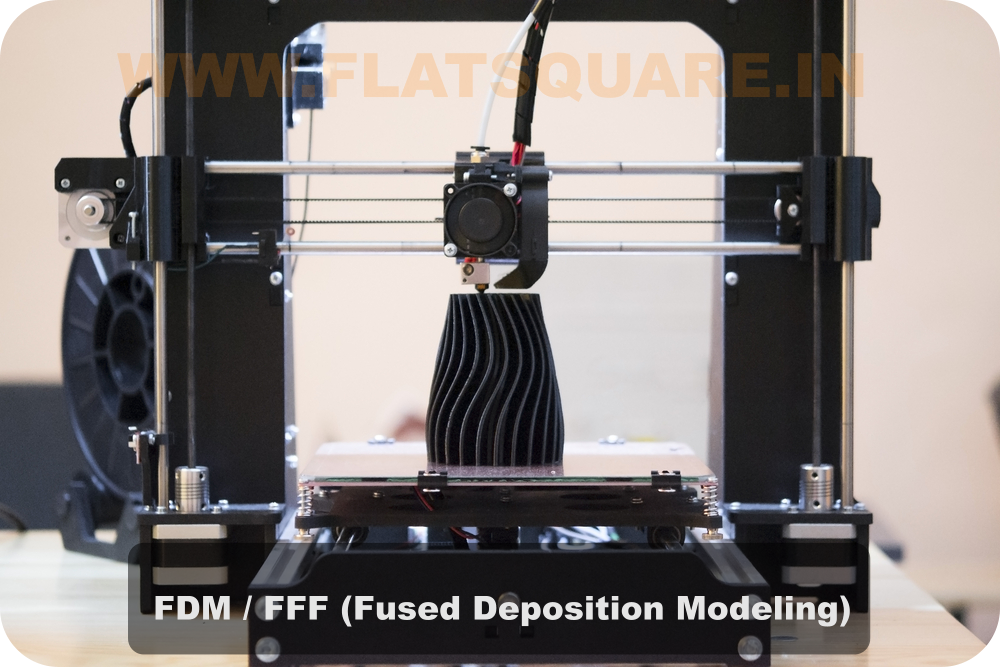
Here’s a price guide for FDM / FFF 3D printers in USD (approximate retail prices — actual can vary by region, sales, and availability):
📍 Budget / Beginner ( ~$200 – $500) Anycubic Kobra 2 Neo Beginner FDM 3D Printer — ~$150–$300 (entry-level, great for hobbyists & beginners) Other similar models: Creality Ender / K1 class, Flashforge Adventurer (~$200–$400) 🛠 Mid-Range / Prosumer (~$500 – $1,500) Creality K2 Pro 3D Printer — Around ~$900–$1,200 (features dual cameras, smart leveling) Bambu Lab X1E 3D Printer — ~$1,400–$1,500 (fast prints, advanced features) Other examples: Prusa MK4 (~$1,049–$1,399), Bambu Lab P1S (~$900+), Flashforge Adventurer Pro (~$400+ with features) 🏭 Professional / Large Build (~$2,000+) FlashForge Guider 3 Ultra Dual Extruder — ~$3,500+ (large build volume, dual extruders) Flashforge Creator 3 — ~$1,200+ (mid-high range desktop) FFF FDM Dual Head 3D Printer Machine — ~Industrial estimate (often $3,000+) — varies widely

Here’s a price overview of Vat Photopolymerization (SLA/DLP/MSLA) 3D printers in USD, from budget hobbyist models to more advanced systems 👇
🖨️ Entry-Level / Budget Vat Photopolymer Printers (Good for hobby & miniatures) Anycubic Photon Mono 4 3D Printer – ~$150–$250 equivalent (entry hobbyist resin printer) — very popular for high-detail prints. HALOT R6 2K Resin 3D Printer – ~$120–$220 (LCD/DLP entry resin printer). 💡 Typical desktop resin printers in this category often go from ~$200 up to $500 for good LCD/MSLA machines. 🏡 Mid-Range / Enthusiast Resin Printers ELEGOO Mars 5 Ultra 9K Resin 3D Printer – ~$300–$450 (large build volume & higher resolution). ELEGOO Saturn 4 Ultra 16K Resin 3D Printer – ~$600–$900 (high-resolution, larger prints). 📊 Mid-range resin printers typically cost $400–$1,000, with features like 8K–16K LCD panels and larger build volumes. 🏢 Advanced / Premium Resin Printers Anycubic Photon MONO M7 MAX 3D Printer – ~$700–$1,000+ (larger format and faster printing speeds). 📈 Beyond this, many professional SLA/DLP machines are priced $1,000–$5,000 for more robust engineering-grade models, and $10,000+ for industrial systems used in dental, jewelry, or manufacturing sectors.

typical Powder Bed Fusion Price Ranges (USD)
🏭 Industrial Metal PBF Machines (DMLS / SLM / LPBF) These are true powder bed fusion metal printers with lasers and inert gas systems — used in aerospace, medical, automotive, and high-precision manufacturing: Entry-level industrial PBF (small build size): ~$90,000 – $150,000+ (e.g., Xact Metal or One Click Metal style laser PBF systems). Mid-range industrial systems: ~$250,000 – $500,000+ (e.g., EOS M100, Renishaw RenAM 500S-class). High-end / production-scale PBF: $500,000 – $1.5M+ (multi-laser, large build volumes). 👉 Most serious metal PBF machines start well above $100,000 and can go into the millions depending on build size, lasers, automation, and certification. 🧪 Polymer SLS (Plastic Powder Bed Fusion) Research / bench SLS systems: ~$5,000 – $30,000+ — smaller setups sometimes used in labs and development. Professional plastic SLS machines: ~$200,000 – $500,000+ — larger build volumes, better reliability and industrial performance.
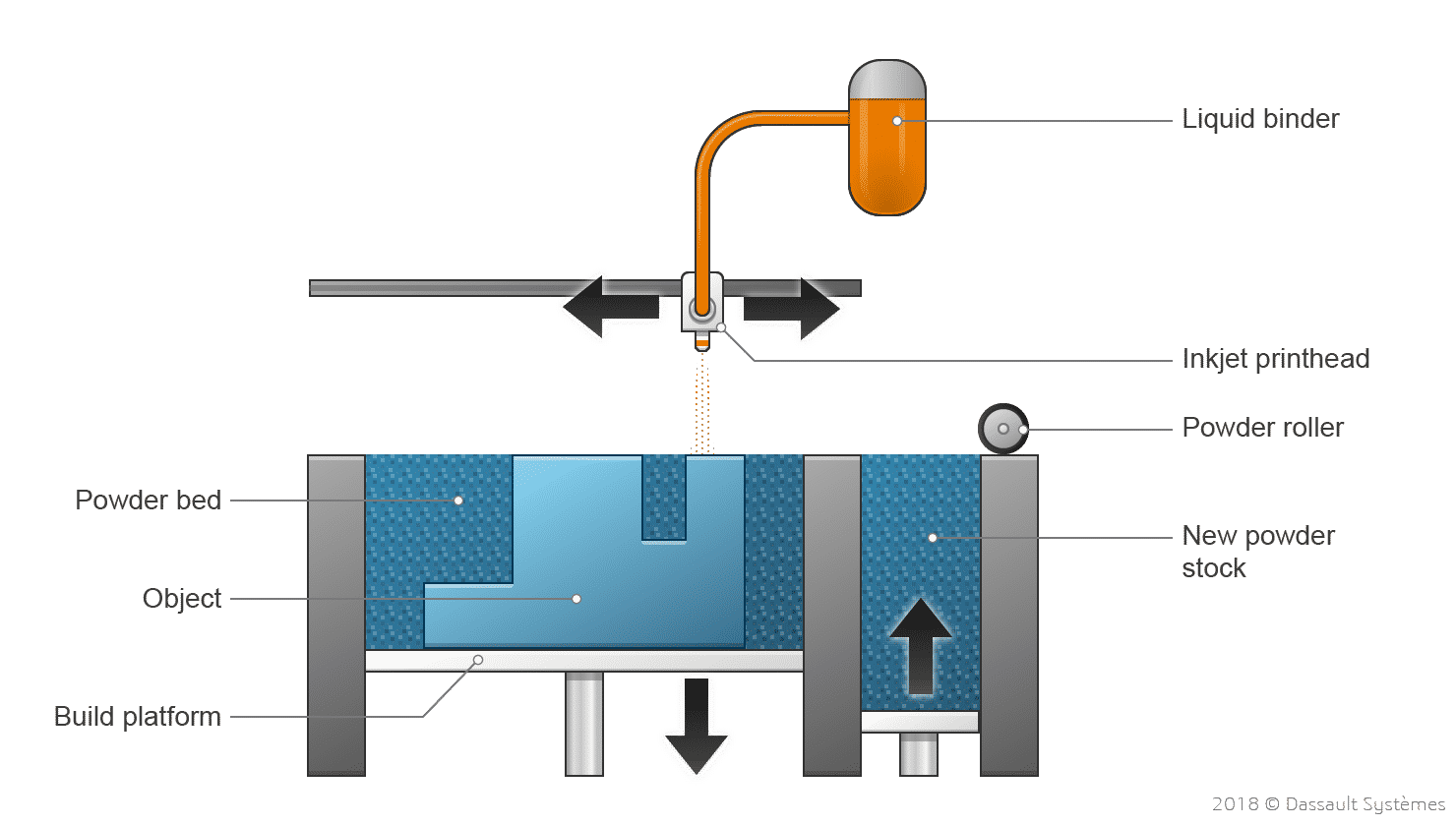
Binder Jetting 3D Printer Price Ranges (USD)
Lower-Cost / Entry / Desktop-ish Options Small or experimental binder-jet printers in listings can appear ~$18,000 – $25,000 — often limited in capability, basic metal/sand printing. Example budget options often seen online in industrial listings: ~$18,500 – $25,000 for smaller binder jet machines. 🏭 Industrial & Mid-Range Binder Jetting Printers Typical industrial binder jet systems: ~$30,000 – $200,000+ depending on build volume and precision. Example mid-range machines from Chinese suppliers: around $80,000+ USD. 💼 Advanced / Production Industrial Systems Fully-featured machines for metal production or mass parts can be $200,000 – $400,000+, and even beyond for automated lines. Some specialist industrial machines listed near $330,000 – $400,000. Highly optimized system bundles (printer + furnace + depowdering) such as Desktop Metal Shop System start ~$150,000 – $225,000 for metal binder jet setups — not including post-processing.